Phytocontrol tests TVBN and TMA for the seafood industry
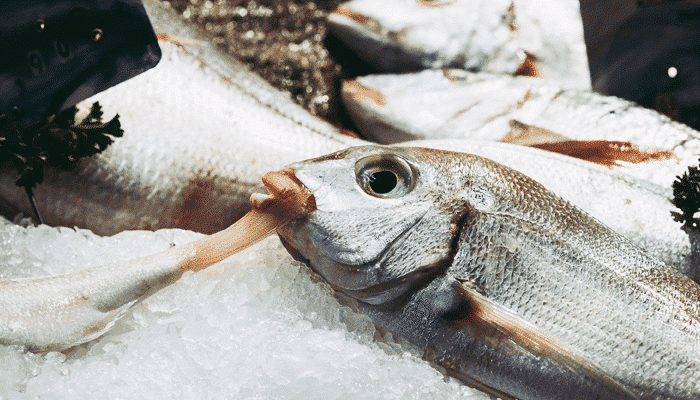
Phytocontrol laboratory offers TVBN analysis, a key element in assessing the freshness of seafood products.
Total Volatile Basic Nitrogen (TVBN) is a spoilage indicator used to determine the freshness of fish. The degradation of proteins present in fish by bacterial flora generates volatile nitrogen-derived compounds: ammonia (NH3), trimethylamine (TMA), dimethylamine and other secondary amines.
These nitrogen compounds are responsible for the acrid smell given off by spoiled fish.
TVBN and TMA are mainly tested for in fish and fish-based foodstuffs. Cartilaginous fish (skate, dogfish, etc.) are rich in proteins that can break down into ammonia or TMA. Other well-known fish species can also generate volatile nitrogen compounds during freezing: hake, cod, saithe, etc.
The limit of quantification of our analysis complies with all the regulatory limits for each fish species, and we are committed to delivering analytical reports within very short turnaround times.
To meet its customers’ control plan requirements, Phytocontrol laboratory is expanding its food physico-chemistry testing offer with the development of the TVBN analysis, the main method for assessing the freshness of seafood products.
Need technical, regulatory or pricing information? Our customer service is available from 8am to 8pm, Monday to Friday.
And to stay up to date with Phytocontrol news, join us on our LinkedIn and Facebook!

