Polar Pod

Phytocontrol: sponsor of the Polar Pod expedition
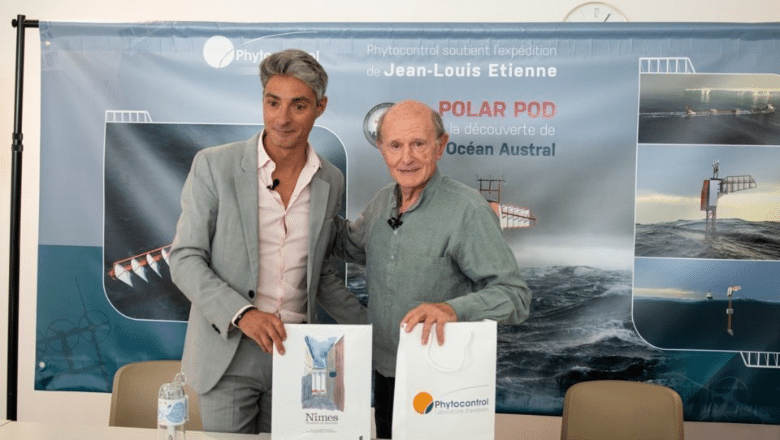
Phytocontrol laboratory supports Polar Pod: a scientific project designed and led by the renowned explorer Jean-Louis ETIENNE.
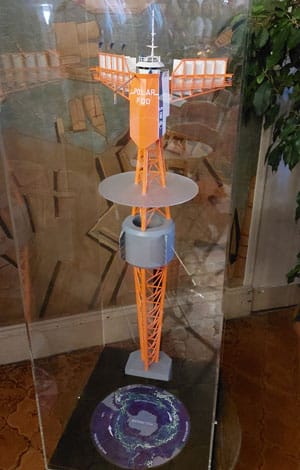
The Polar Pod expedition is an innovative initiative aiming to explore polar regions in an unprecedented way. Thanks to a state-of-the-art oceanographic platform, the Polar Pod, scientists will be able to collect crucial data on marine biodiversity, ocean currents and pollution levels from microplastics and other contaminants.
Our commitment as a sponsor reflects Phytocontrol’s values and mission: to actively contribute to scientific research and environmental protection.
FOCUS
Focus on Jean-Louis ETIENNE
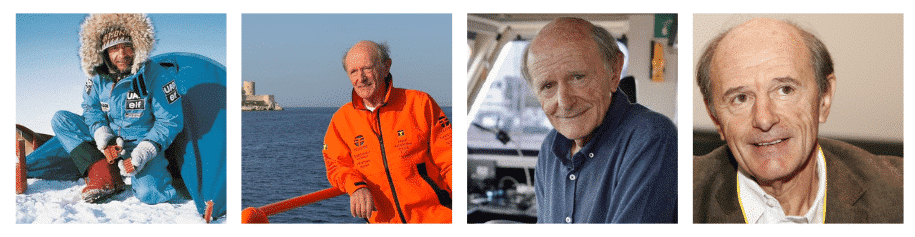
Jean-Louis ETIENNE is an internationally renowned French explorer and scientist known for his many pioneering expeditions in the polar regions. Born in 1946 in Vielmur-sur-Agout, in the Tarn region, Jean-Louis ETIENNE made history by becoming the first man to reach the North Pole alone in 1986, an achievement that revealed his courage, determination and commitment to scientific exploration.
EXPEDITION
The Polar Pod expedition
The Polar Pod is much more than a simple floating research station; it is a revolutionary scientific exploration platform designed to withstand the extreme conditions of the polar oceans, particularly the Southern Ocean. This unique vertical vessel, anchored deep in the water for maximum stability, will allow scientists to conduct in situ observations over long periods, collecting crucial data in real time.
scientific
institutions
countries
Scientific objectives:
- Global climate regulation: The Southern Ocean plays a key role as a natural carbon sink, absorbing a large part of atmospheric CO2. The Polar Pod will make it possible to precisely measure this capacity, providing essential data for climate models and understanding the impact of global warming.
- Marine biodiversity: Equipped with hydrophones, the Polar Pod will collect a detailed acoustic inventory of marine wildlife. By capturing the sound signatures of different species, this mission aims to understand the distribution and abundance of biodiversity in this remote region.
- Impact of human activities: One of the main missions of the Polar Pod will be to analyse the impact of pollutants of human origin, such as microplastics and chemical pollutants, on this still largely pristine ecosystem. The samples collected will help assess the extent of contamination and better understand how human activities affect even the most remote regions of the globe.
This three-year expedition, supported by 42 scientific institutions across 12 countries, will complete two full circuits of the Southern Ocean, providing an unprecedented wealth of data and opening up new perspectives for oceanographic and climate research.
SAILBOAT
The Persévérance sailboat
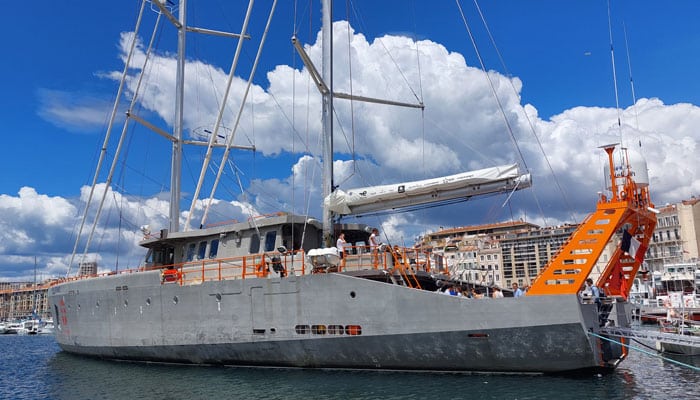
The Persévérance sailboat, launched in June 2023, plays a crucial role in the success of the expedition by supplying the Polar Pod at sea. At 42 metres long, it is equipped with the state-of-the-art technology needed to support polar research operations.
The launch of the sailboat in Marseille marked a key moment for the project, bringing together various stakeholders in the expedition and highlighting the challenges and objectives of this unique scientific mission.

BUS
The PolarPODibus: on board with knowledge
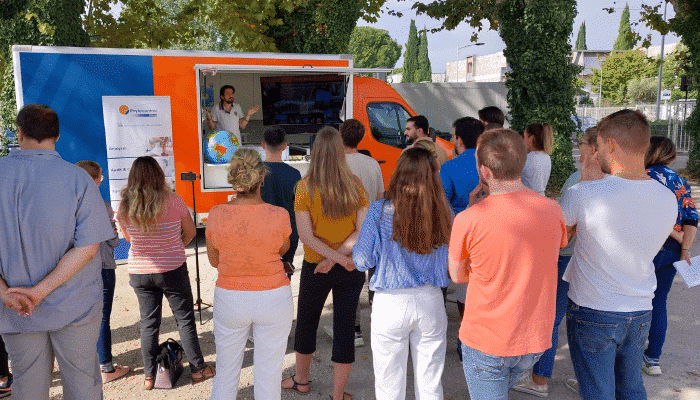
In September 2023, Phytocontrol had the honour of hosting the PolarPODibus at its premises. This event allowed staff to learn about the challenges of the Polar Pod expedition and take part in interactive scientific activities.
The PolarPODibus is a travelling minibus dedicated to raising public awareness of the environmental issues addressed by the Polar Pod expedition.
The PolarPODibus, which tours France, visits schools and businesses to share the objectives of this unique expedition.
COMMITMENT
Phytocontrol’s commitment
As a specialised analytical laboratory, Phytocontrol plays a key role in analysing the data collected by the Polar Pod expedition. Our expertise in food and environmental safety allows us to make a significant contribution to this Phytocontrol mission.
Phytocontrol focuses in particular on studying the levels of contamination by pollutants and microplastics in the Southern Ocean. This region is a crucial ecosystem for the planet, acting as a major carbon sink and home to unique marine biodiversity. However, it is increasingly threatened by human activities, particularly plastic and chemical pollution.
Chemical pollutants
- We carry out detailed analyses to detect the presence of various chemical pollutants, such as hydrocarbons, heavy metals and persistent chemicals. These substances can have a devastating effect on marine wildlife and flora.
Microplastics
- Microplastics represent a major threat to marine ecosystems. In collaboration with Polar Pod expedition scientists, Phytocontrol uses state-of-the-art techniques to identify and quantify microplastics present in water and sediment samples.
Toxicological study
- We conduct toxicological studies to assess the effects of contaminants on marine organisms. These studies are essential for determining the levels of contamination that can be tolerated without harming the health of polar ecosystems.
VIDEOS